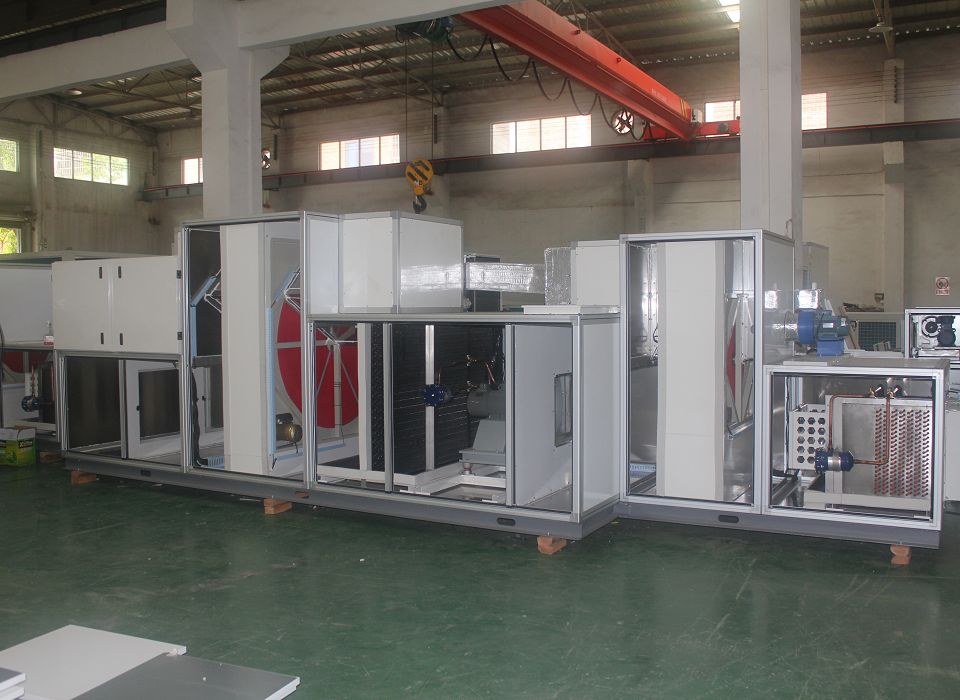
The Difference Between Precision Air Conditioning and Regular Home Air Conditioning
Air conditioning is used in many different places, but not all air-conditioning systems are designed for the same purpose. A home air conditioner is mainly designed to keep people comfortable, while a precision air-conditioning system is designed to protect sensitive equipment and maintain stable environmental conditions. This is the main difference between the two systems.
Different Cooling Objectives
A regular home air conditioner is normally used for several hours a day. Its main function is to reduce the room temperature and provide a comfortable environment for people. Once the indoor temperature reaches the setting, the compressor usually stops or reduces its operation.
A precision air conditioner, however, is designed for areas such as data centers, server rooms, communication rooms, control rooms and other critical facilities. These rooms may contain equipment that operates continuously and produces a large amount of heat. The system must remove this heat reliably, even when there are few or no people inside.
Higher Temperature Control Accuracy
Home air conditioners usually control the temperature within a relatively wide range. A small temperature difference is generally acceptable for residential use.
In a server room or data center, even a small change in temperature or humidity may affect the operation of electronic equipment. Precision air conditioners provide more accurate temperature control and can maintain a stable indoor environment for long periods. Some systems can control temperature within approximately ±1°C, depending on the design and operating conditions.
Better Humidity Control
Humidity control is another important difference. Most household air conditioners remove some moisture during the cooling process, but they are not designed to accurately control relative humidity.
Precision air conditioners may include humidification and dehumidification functions. This helps prevent excessive humidity, condensation, static electricity and damage to electronic components. Stable humidity is especially important in communication rooms, laboratories and data centers.
Continuous and Reliable Operation
A home air conditioner is not normally expected to operate continuously throughout the year. Precision air-conditioning systems are designed for 24-hour, 365-day operation. They use stronger components, more reliable control systems and specially selected compressors, fans and filters.
Many precision systems also support standby units, automatic changeover and alarm functions. If one unit requires maintenance, another unit can continue operating to protect the room and its equipment.
Higher Airflow and Better Air Distribution
Precision air conditioners usually provide higher airflow and are designed to manage the heat generated by electronic equipment. They can use raised-floor air distribution, underfloor cooling or other professional airflow arrangements.
A home air conditioner mainly distributes air for human comfort. Its airflow pattern and capacity may not be suitable for cooling densely installed servers or electrical cabinets.
Conclusion
Although both systems use refrigeration technology, their design purposes are completely different. A home air conditioner focuses on comfort, appearance and ordinary daily use. A precision air conditioner focuses on accuracy, continuous operation, humidity control and equipment protection.
For data centers, server rooms and other critical applications, using a household air conditioner may create operational risks. A properly selected precision air-conditioning system can provide a safer, more stable and more energy-efficient solution. HEAD-POWER offers professional precision air-conditioning solutions for different room sizes, heat loads and application requirements.